Entertainment blogs thrive on fresh, engaging content that captures audience attention and sustains interest. In the music video space, this means moving beyond simple releases and delving into angles that offer deeper insight, unique perspectives, or interactive experiences. The challenge lies in identifying topics that not only resonate with a target demographic but also provide evergreen value and opportunities for sustained traffic. This article outlines specific music video topics designed to enhance an entertainment blog's authority, drive engagement, and create pathways for monetization, offering a strategic framework for content development.
Selecting the right music video topics for an entertainment blog requires a strategic approach, focusing on content that aligns with audience interests, offers distinct value, and provides avenues for long-term engagement. The goal is to move beyond superficial reporting and establish the blog as a go-to resource for critical analysis, unique perspectives, or behind-the-scenes insights. Consider these factors when evaluating potential topics:
- Audience Relevance: Does the topic align with the demographic and psychographic profile of the blog's existing readership? Content should cater to expressed interests, whether that's technical analysis, cultural commentary, or celebrity-focused narratives.
- Search Intent Alignment: Can the topic address specific search queries? Topics that answer "how-to," "why," or "what is" questions often perform well in organic search, attracting new readers actively seeking information.
- Content Depth Potential: Can the topic support multiple articles, series, or different content formats (e.g., text, video, infographics)? Topics with inherent depth allow for comprehensive coverage and establish authority.
- Monetization Opportunities: Does the topic naturally lend itself to affiliate marketing (e.g., equipment, fashion), sponsored content (e.g., director interviews, production company features), or premium content offerings (e.g., exclusive analyses)?
- Timeliness vs. Evergreen: While timely topics (new releases, viral trends) drive immediate traffic, evergreen content (historical analyses, genre studies) provides sustained value over time. A balanced approach is often most effective.
- Unique Angle: Is there a way to approach the topic that differentiates the blog from competitors? This could be a specific critical lens, exclusive access, or a particular editorial voice.
- Production Feasibility: Can the blog realistically produce high-quality content on the topic given its resources (time, budget, expertise)? Some topics require extensive research, interviews, or video editing capabilities.
1. Behind-the-Scenes Documentaries and Production Breakdowns
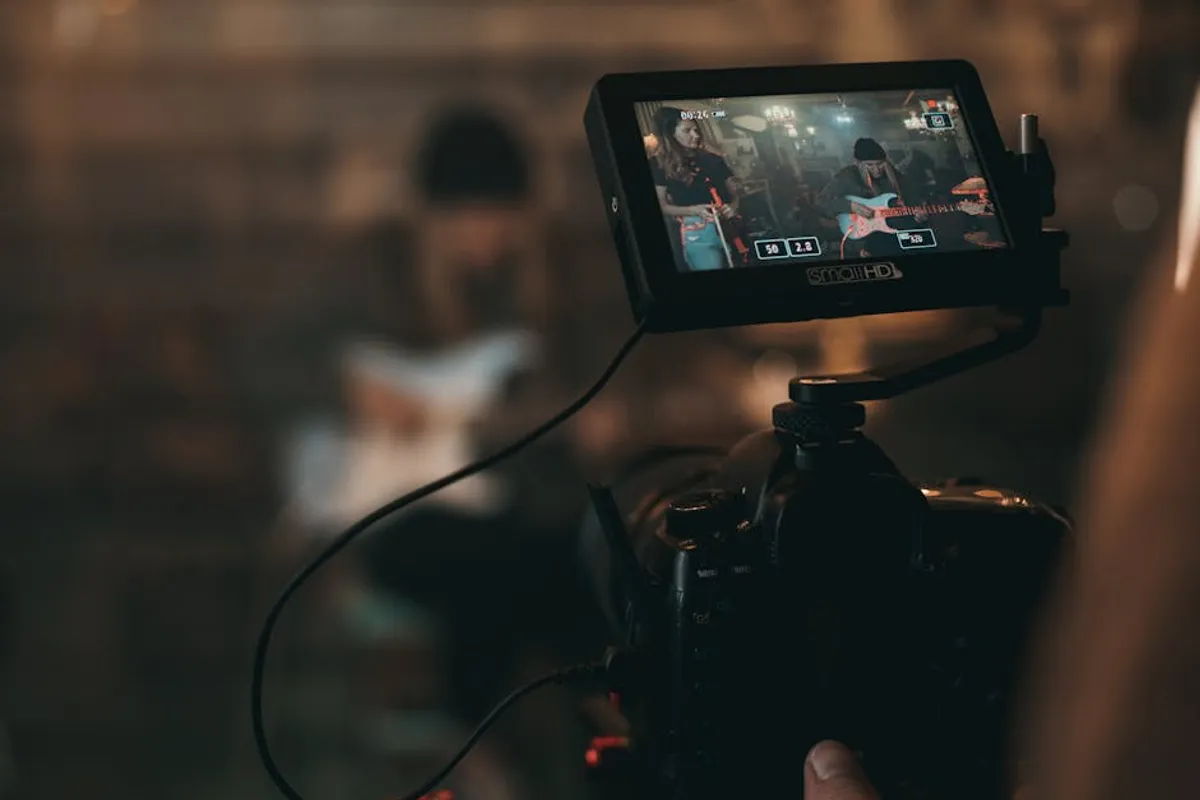
This topic focuses on the intricate process of creating music videos, offering a glimpse into the technical, artistic, and logistical challenges involved. Content can range from interviews with directors, cinematographers, and choreographers to detailed explanations of special effects, set design, or costume development. It appeals to audiences interested in filmmaking, creative processes, and the often-unseen effort behind polished productions.
Best for: Blogs targeting aspiring filmmakers, visual artists, or fans with a deep interest in the technical and creative aspects of music video production. It builds authority by providing expert insight.
Pros: High engagement potential due to exclusive insights; opportunities for interviews with industry professionals; evergreen content value as production techniques evolve; strong potential for visual content (stills, short clips, diagrams).
Cons: Requires access to industry professionals or extensive research; content can be technically complex, requiring clear explanations; potential for rapid obsolescence if focusing solely on cutting-edge, niche tech.
Verdict: A highly effective topic for establishing a blog as an authoritative source on music video craftsmanship. The commercial utility lies in attracting a dedicated, informed audience, which can be leveraged for partnerships with film schools, equipment brands, or production houses.
2. Music Video Symbolism and Narrative Analysis
This topic delves into the deeper meanings, hidden messages, and storytelling techniques employed in music videos. It involves dissecting visual metaphors, cultural references, and narrative structures to uncover the artist's intent or explore multiple interpretations. This content encourages critical thinking and discussion among readers.
Best for: Blogs with an audience interested in cultural studies, literary analysis, or philosophical discussions, and those who appreciate decoding complex visual narratives.
Pros: Drives high comment volume and reader interaction through speculative discussion; offers evergreen content potential as classic videos continue to be reinterpreted; establishes the blog as a critical authority.
Cons: Requires strong analytical skills and a deep understanding of semiotics and cultural contexts; interpretations can be subjective, potentially leading to reader disagreement; risk of over-analysis if not grounded in tangible visual evidence.
Verdict: Excellent for fostering a highly engaged community and demonstrating intellectual rigor. The commercial benefit comes from building a loyal readership that values in-depth content, which can then be monetized through premium analysis or curated content bundles.
3. Evolution of an Artist's Visual Style
This topic explores how a specific artist's music video aesthetic has developed over their career, examining changes in directors, themes, visual motifs, and production values. It provides a chronological overview, highlighting key turning points and influences, and connects visual evolution to musical or personal growth.
Best for: Fan-centric blogs or those focused on artist retrospectives, offering a longitudinal study of creative output that resonates with dedicated followers.
Pros: Strong appeal to fan bases, leading to high shareability; offers a clear narrative arc, making content engaging; provides opportunities to revisit older, less-discussed videos; evergreen value for established artists.
Cons: Requires extensive archival research and video access; limited to artists with a substantial and evolving videography; can become repetitive if the artist's style remains static.
Verdict: A compelling topic for cultivating a dedicated following around specific artists. Commercial utility includes affiliate opportunities for artist merchandise or concert tickets, and increased traffic from fan communities.
4. Genre-Specific Music Video Trends
This topic focuses on the visual tropes, common themes, and evolving aesthetics within particular music genres (e.g., hip-hop, indie rock, K-pop, electronic). It can analyze how genre conventions are established, subverted, or innovated, and how cultural shifts influence visual storytelling within these categories.
Best for: Niche blogs specializing in specific music genres, aiming to become the definitive source for visual commentary within that domain.
Pros: Attracts highly targeted audiences; allows for deep dives into specific subcultures; can identify emerging artists or directors within a genre; offers a clear content niche for SEO.
Cons: Requires specialized knowledge of specific genres and their visual histories; audience size can be smaller compared to broader topics; risk of becoming overly academic if not balanced with engaging examples.
Verdict: Ideal for establishing niche authority and attracting a passionate, dedicated readership. This focus can lead to partnerships with genre-specific labels, festivals, or fan communities, offering direct commercial pathways.
5. Music Video Budget Breakdowns and ROI Analysis
This topic dissects the financial aspects of music video production, estimating costs for various elements (location, special effects, talent, post-production) and discussing the potential return on investment (ROI) in terms of views, cultural impact, or artist exposure. It offers a practical, business-oriented perspective.
Best for: Blogs targeting industry professionals (artists, managers, labels) or those interested in the economics of creative industries. It provides practical, actionable insights.
Pros: Offers unique, data-driven content not commonly found; appeals to a professional audience seeking practical advice; strong potential for expert interviews with producers or financial analysts; provides tangible value for artists considering video investments.
Cons: Requires access to industry data or reliable estimation methods, which can be difficult to obtain; sensitive information may not always be publicly available; estimates can be speculative, requiring careful disclaimers.
Verdict: Positions the blog as a valuable resource for industry insights and strategic planning. Commercial applications include sponsored content from production companies, financial services for artists, or premium reports on industry trends.
6. Music Video Choreography Analysis
This topic centers on the dance and movement elements within music videos, analyzing choreography for its artistic merit, narrative contribution, cultural influences, and technical execution. It can feature interviews with choreographers, breakdowns of specific routines, or discussions of dance styles.
Best for: Blogs with an audience interested in dance, performance art, or the physical expression of music. It appeals to a visually and kinesthetically oriented readership.
Pros: Highly visual content potential (GIFs, short video clips); appeals to a specific, passionate niche; opportunities for interviews with professional dancers and choreographers; can highlight often-overlooked creative contributions.
Cons: Requires a basic understanding of dance terminology and theory; limited to videos with significant choreographic elements; content can be subjective in terms of artistic evaluation.
Verdict: Effective for engaging a niche audience and showcasing a specialized critical lens. Commercial possibilities include partnerships with dance studios, costume designers, or performance artists, and affiliate links for dance-related products.
7. The Director's Vision: Auteur Studies in Music Videos
This topic focuses on the distinctive style and recurring themes of prominent music video directors, analyzing their filmography as a cohesive body of work. It explores how a director's signature visual language, narrative preferences, and technical choices shape the music videos they create, often across different artists.
Best for: Audiences interested in film theory, directorial craft, and the individual creative forces behind visual media. It provides a critical perspective on artistic authorship.
Pros: Establishes the blog as a sophisticated critical voice; allows for cross-artist comparisons and thematic exploration; provides evergreen content for influential directors; opportunities for interviews with directors or their collaborators.
Cons: Requires extensive knowledge of specific directors' works and film theory; relies on the availability of substantial directorial filmographies; can be perceived as overly academic if not presented engagingly.
Verdict: Builds significant authority and attracts a discerning audience. Commercial value stems from attracting readers interested in high-level critical analysis, potentially leading to collaborations with film festivals or academic institutions.
8. Music Video Fashion and Styling Analysis
This topic examines the role of clothing, accessories, and overall styling in music videos, analyzing how fashion choices contribute to character development, narrative, thematic elements, and cultural impact. It can involve discussions of specific designers, trends, or iconic looks.
Best for: Blogs catering to fashion enthusiasts, stylists, or audiences interested in the intersection of music, visual culture, and personal style. It taps into a highly trend-driven market.
Pros: High visual appeal, ideal for image-rich content; strong potential for affiliate marketing with fashion brands; taps into a broad and engaged audience interested in celebrity style; offers timely content around new releases and evergreen content for iconic looks.
Cons: Requires knowledge of fashion history and current trends; can quickly become outdated if focused solely on transient trends; risk of superficial analysis if not connected to deeper thematic elements.
Verdict: A highly commercial topic with direct pathways to affiliate revenue and brand partnerships. It effectively bridges music entertainment with the lucrative fashion industry.
9. Music Video Technology and Innovation
This topic explores the technological advancements that have shaped music video production, from early green screen techniques to modern CGI, AI-generated visuals, virtual reality, and interactive experiences. It discusses how new tools enable new forms of visual storytelling and impact the viewer experience.
Best for: Tech-savvy audiences, industry professionals, and those interested in the future of media and entertainment. It positions the blog as forward-thinking and innovative.
Pros: Appeals to a growing audience interested in emerging technologies; offers opportunities for interviews with tech developers and innovators; provides insights into industry evolution; strong potential for visual demonstrations and case studies.
Cons: Requires keeping up with rapid technological changes; content can become obsolete quickly; technical concepts may need simplification for a general audience; access to cutting-edge tech or experts can be challenging.
Verdict: Establishes the blog as a leader in discussing media innovation. Commercial opportunities include partnerships with tech companies, software providers, or educational institutions offering courses in media production.
10. Cultural Impact and Social Commentary in Music Videos
This topic analyzes how music videos reflect, influence, or comment on broader social issues, cultural movements, political events, or historical contexts. It examines videos that spark conversations, challenge norms, or capture the zeitgeist of a particular era.
Best for: Blogs focused on cultural criticism, social justice, or the intersection of art and society. It appeals to a thoughtful, engaged audience seeking deeper meaning.
Pros: Generates meaningful discussion and high engagement; positions the blog as socially conscious and critically aware; offers evergreen content through historical analysis; strong potential for academic citations and cross-disciplinary appeal.
Cons: Requires nuanced understanding of complex social and political issues; interpretations can be sensitive or controversial; risk of alienating readers with strong opposing views; requires careful, evidence-based analysis.
Verdict: Builds a highly respected and influential platform for cultural discourse. Commercial value comes from attracting a discerning audience and potential partnerships with non-profits, educational programs, or advocacy groups.
11. Music Video Easter Eggs and Fan Theories
This topic focuses on hidden details, subtle references, and speculative fan interpretations within music videos. It encourages active viewing and communal decoding, often leading to extensive online discussions and theories about an artist's broader narrative or upcoming projects.
Best for: Highly engaged fan communities and blogs that thrive on interactive content, mystery, and speculative analysis. It taps into the participatory culture of modern fandom.
Pros: Drives exceptionally high engagement and shareability; creates a strong sense of community among readers; offers continuous content as new theories emerge or are debunked; positions the blog as an essential hub for fan discussions.
Cons: Content can be highly speculative and may lack definitive answers; relies heavily on new video releases to generate fresh material; risk of becoming overly niche if theories are too obscure.
Verdict: An excellent strategy for building a highly interactive and loyal community. Commercial opportunities include attracting a large, dedicated audience for potential monetization through fan merchandise, exclusive content, or sponsored posts targeting fandoms.
12. Music Video Production Horror Stories and Triumphs
This topic explores the anecdotal side of music video production, sharing stories of unexpected challenges, creative breakthroughs, behind-the-scenes mishaps, and ultimate successes. It offers a human-interest perspective on the creative process, highlighting both the difficulties and the rewards.
Best for: Blogs seeking to entertain and humanize the production process, appealing to a broad audience interested in storytelling and the realities of creative work. It adds a relatable, often humorous, dimension.
Pros: Highly engaging and shareable due to human interest; offers a unique, less academic perspective; opportunities for candid interviews with artists and crew; provides a refreshing contrast to purely analytical content.
Cons: Requires access to personal anecdotes and willingness of individuals to share; content can be subjective and difficult to verify; risk of sounding sensationalist if not balanced with genuine insights.
Verdict: Excellent for building a relatable and entertaining brand voice. Commercial benefits include attracting a broad audience through engaging narratives, which can then be leveraged for general advertising or sponsored content from brands seeking a human touch.
To effectively leverage these music video topics, an entertainment blog must implement clear metrics for success and continually refine its content strategy. Success isn't solely about page views; it encompasses audience engagement, authority building, and ultimately, monetization potential.
Measuring Success:
- Engagement Metrics: Track comments per post, social shares, time on page, and bounce rate. High engagement indicates that the content resonates deeply with the audience.
- Audience Growth: Monitor new subscriber rates (email, social media) and returning visitor percentages. Consistent growth signifies that the chosen topics are attracting and retaining readers.
- Search Performance: Analyze organic traffic for specific keywords related to your chosen topics. High rankings and click-through rates for relevant queries confirm strong SEO alignment.
- Authority Signals: Look for backlinks from reputable sources, mentions in industry publications, and invitations for expert commentary. These indicate that the blog is recognized as an authoritative voice.
- Monetization Outcomes: Directly track revenue generated from affiliate links, sponsored content, or premium offerings tied to specific topics. This provides a clear commercial validation of content choices.
Choosing the Right Topic Mix:
No single topic will fulfill all a blog's strategic needs. A balanced content calendar should incorporate a mix of:
- Timely Trends: To capture immediate traffic and capitalize on current events (e.g., new video releases, viral moments).
- Evergreen Pillars: To provide sustained organic traffic and establish long-term authority (e.g., director retrospectives, genre analyses).
- Niche Deep Dives: To attract highly specific, engaged segments of the audience (e.g., choreography analysis, budget breakdowns).
- Interactive Content: To foster community and direct engagement (e.g., fan theories, symbolism discussions).
Regularly review performance data to identify which topics drive the most value for your specific audience and business objectives. Adapt your strategy based on these insights, continually testing new angles and refining your approach to maintain relevance and maximize commercial impact.
Frequently Asked Questions
Q: How frequently should an entertainment blog publish music video content?
A: The optimal frequency depends on audience expectations and content depth. For timely topics like new releases or viral trends, daily or bi-weekly updates are effective. For in-depth analyses or historical retrospectives, a weekly or bi-weekly schedule allows for thorough research and detailed writing, maintaining quality over quantity.
Q: Can these topics be adapted for video content or podcasts?
A: Absolutely. Many of these topics are highly visual or discussion-based, making them ideal for adaptation. Behind-the-scenes content translates well to video documentaries. Symbolism analysis or director studies can form the core of engaging podcast episodes or YouTube series, often reaching a wider audience than text alone.
Q: How can a smaller blog compete with larger publications on music video topics?
A: Smaller blogs can compete by focusing on niche topics, developing a unique editorial voice, and providing unparalleled depth. Instead of broadly covering "all new music videos," specialize in "hip-hop video cinematography" or "the feminist gaze in pop visuals." Building a dedicated community around a specific niche often proves more effective than attempting to out-generalize larger outlets. Focusing on niche topics like music news for dedicated fans can help smaller blogs build a loyal audience.
Q: Is it necessary to have exclusive interviews for these topics?
A: While exclusive interviews enhance authority and provide unique content, they are not always strictly necessary. Many topics, such as symbolism analysis, genre trends, or historical evolution, can be effectively covered through thorough research, critical analysis of publicly available information, and a distinctive editorial perspective. Guest contributions from experts can also supplement original interviews.