Fan sites represent more than mere digital gathering places; they are foundational pillars for the enduring vitality of music communities. For artists, labels, and cultural observers, understanding the mechanics and value of these platforms is crucial. They function as organic extensions of an artist's brand, often predating official digital channels and cultivating a depth of engagement that commercial platforms struggle to replicate. These sites serve as critical infrastructure, fostering loyalty, preserving history, and driving authentic interaction that directly impacts an artist's longevity and commercial viability.
The Role of Fan Sites in Music Ecosystems
Fan sites operate as central nervous systems for dedicated fanbases, providing a space where shared passion translates into collective action and sustained interest. Their utility extends beyond simple communication, embedding themselves deeply into the artistic and commercial ecosystem of music.
Archiving History and Lore
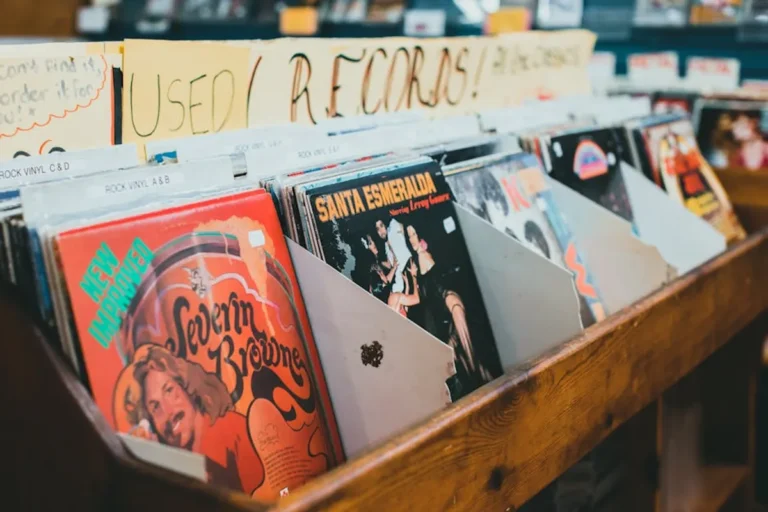
Many official artist websites are ephemeral, undergoing redesigns that erase older content or becoming dormant after periods of inactivity. Fan sites, conversely, often become the de facto historical archives. They meticulously document discographies, B-sides, live bootlegs, tour histories, press clippings, interviews, and even fan-generated art or fiction. This preservation ensures that an artist's legacy, particularly for those with long careers or cult followings, remains accessible and discoverable. This curated history provides context for new fans and deepens appreciation for long-time supporters, acting as a living museum for an artist's output and narrative.
Facilitating Direct Artist-Fan Connection
While social media offers broad reach, fan sites provide a more intimate and dedicated channel for artist-fan interaction. Artists or their teams can engage directly with their most ardent supporters, sharing exclusive updates, soliciting feedback on new material, or organizing fan-centric events. This direct line bypasses the algorithms and noise of mainstream platforms, ensuring messages reach a highly engaged audience. The authenticity of these interactions builds stronger bonds, transforming casual listeners into committed advocates who actively promote the artist's work.
Building Collective Identity and Engagement
The core strength of fan sites lies in their ability to foster a collective identity among disparate individuals, uniting them through a shared passion for a specific artist or genre. This collective energy is a powerful force for community building and sustained engagement.
Forums, Discussions, and Shared Experiences
Discussion forums are often the heart of fan sites, providing structured spaces for conversations ranging from album analyses to concert reviews, gear discussions, and personal stories about how an artist's music has impacted lives. These interactions build camaraderie and a sense of belonging.
Key elements include:
- Thematic threads: Dedicated sections for specific albums, eras, or musical themes.
- Live event coordination: Fans organizing meet-ups before or after shows.
- Community projects: Collaborative efforts like creating fan-made lyric books or tribute art.
- Knowledge sharing: Dissecting lyrics, musical arrangements, or band lore.
This dynamic exchange of ideas and experiences reinforces the communal aspect of music appreciation, turning passive listening into an active, shared journey.
Collaborative Content Creation
Beyond discussions, many fan sites become platforms for fan-generated content. This can include fan fiction, artwork, cover songs, tribute videos, or even detailed analytical essays about an artist's work. This collaborative spirit not only enriches the site's content but also provides an outlet for fans to express their creativity and dedication. This user-generated content often carries a unique authenticity, providing perspectives and insights that official channels might overlook, and further solidifying the community's collective investment.
Economic and Promotional Impact
The cultural value of fan sites translates directly into tangible economic and promotional benefits for artists and the wider music industry.
Driving Merchandise and Ticket Sales
Dedicated fan communities are often the first to purchase new releases, limited-edition merchandise, and concert tickets. Fan sites act as highly effective conversion funnels, as members are pre-qualified, highly motivated buyers. Exclusive announcements or pre-sale codes shared within these communities can generate significant initial sales momentum, often selling out products or concert dates before wider public release. This concentrated purchasing power is invaluable for artists, particularly independent ones, in demonstrating market demand and securing future opportunities.
Amplifying Artist Reach and Discovery
Fan sites serve as powerful amplifiers for an artist's message. Members actively share news, music, and content from their favored artists across their personal social networks, acting as unpaid marketing agents. For new listeners, a well-maintained fan site can be a comprehensive entry point, offering curated content and a welcoming community that encourages deeper exploration. This organic word-of-mouth promotion is highly credible and effective, often leading to new fan acquisition and increased visibility in a crowded digital landscape.
Pro Tip: Artists and their teams should actively monitor and occasionally engage with prominent fan sites. While direct control is not the goal, understanding the pulse of these communities, acknowledging their efforts, and occasionally contributing exclusive content can significantly strengthen fan loyalty and harness their promotional power. Neglecting these hubs means missing a direct line to your most passionate supporters.
Challenges and Sustainability
Despite their immense value, fan sites face operational challenges that require careful management to ensure their longevity.
Moderation and Content Quality
Maintaining a positive and constructive environment is paramount. Fan sites often grapple with issues of spam, off-topic discussions, or even toxic behavior. Effective moderation, clear community guidelines, and responsive administration are essential to ensure the site remains a welcoming and valuable resource. Without diligent oversight, the quality of discussions can deteriorate, driving away members and diminishing the site's overall appeal.
Funding and Technical Maintenance
Running a fan site, particularly larger ones, incurs costs for hosting, domain registration, and potentially custom development or moderation tools. These sites are often run by volunteers, making long-term funding and technical maintenance a persistent challenge. Ensuring the site remains technically sound, secure, and up-to-date requires ongoing effort and resources, which can be difficult to sustain without a clear support model or dedicated team.
Maximizing Fan Site Value
For artists, labels, and indeed, the fans themselves, recognizing and nurturing the ecosystem of fan sites is a strategic imperative. This involves a shift in perspective from viewing them as external entities to understanding them as integral, self-organizing components of an artist's public presence.
Artists can foster these communities by:
- Acknowledging their existence publicly, perhaps with a link from an official site.
- Occasionally providing exclusive content, Q&As, or early access to news.
- Respecting their independence while appreciating their efforts.
- Learning from fan discussions to gauge sentiment and inform creative decisions.
For those managing fan sites, focus on robust moderation, clear communication, and exploring sustainable funding models (e.g., non-intrusive advertising, voluntary donations, or patreon support) to ensure the platform can continue to serve its vital role.
Frequently Asked Questions
How do fan sites differ from official artist social media pages?
Fan sites are typically independent, community-driven platforms focused on depth, historical archiving, and dedicated discussion among highly invested fans. Official social media pages are artist-controlled, broader in reach, and often prioritize promotional announcements over deep community interaction.
Are fan sites legally allowed to use artist names and content?
Fan sites generally operate under principles of fair use for commentary, news reporting, and criticism. However, commercial exploitation of copyrighted material (e.g., selling music, merchandise, or using official logos without permission) can lead to legal issues. Most sites are careful to credit sources and focus on non-commercial fan engagement.
Can fan sites help an emerging artist gain traction?
Absolutely. A dedicated fan site, even a small one, indicates a passionate core audience. This can attract industry attention, provide valuable feedback, and create a grassroots marketing engine that amplifies an artist's reach organically, often more effectively than paid advertising alone.
What are the biggest challenges in maintaining a successful fan site?
Key challenges include consistent moderation to maintain a positive community, securing reliable funding for hosting and technical maintenance, adapting to new technologies, and preventing content stagnation. Sustaining volunteer effort over the long term is also a significant hurdle.