
For publishers, marketers, and site owners targeting music enthusiasts, identifying the right news topics is not merely about reporting events; it is about cultivating engaged fan communities. The commercial value lies in understanding which narratives resonate deeply enough to drive sustained traffic, foster discussion, and build loyalty. This requires moving beyond surface-level announcements to explore the underlying interests and behaviors that define a passionate fan base. The goal is to pinpoint topics that generate organic search visibility, encourage content sharing, and ultimately convert casual readers into dedicated community members. The following analysis outlines key music news categories that consistently capture attention and provide fertile ground for content creation aimed at these valuable audiences.
What to Look For in Fan-Engaging Music News Topics
Selecting effective music news topics for fan communities requires a strategic approach beyond simply covering the latest headlines. Evaluate potential subjects based on their capacity to generate discussion, inspire user-generated content, and sustain interest over time. Consider the specific demographics and psychographics of your target fan base: what are their preferred artists, genres, and consumption habits? Look for topics that offer opportunities for deep dives, speculative content, and interactive features. High search volume for related keywords, coupled with a strong potential for social sharing and comment engagement, indicates a commercially viable topic. Prioritize subjects that allow for multiple content formats, from articles and interviews to polls and video essays, maximizing reach and appeal across different platforms. Finally, assess the competitive landscape to identify niches or unique angles that your publication can own, providing distinct value to the community.
1. Album/Single Release Cycles
This category encompasses everything from initial whispers of new material to post-release critical and fan reception. It includes speculative articles about tracklists, producers, guest features, and lyrical themes, as well as official announcements, pre-order campaigns, and detailed reviews. Fan communities thrive on anticipation and shared experience around new music, making this a consistently high-engagement area. Content can span multiple stages: pre-release hype, release day breakdowns, and post-release analysis of charts, cultural impact, and hidden meanings.
Best for: Driving immediate traffic spikes, sustaining long-term discussion threads, and leveraging artist-driven marketing cycles. Ideal for sites that can produce timely, in-depth analysis and foster interactive fan speculation.
Pros:
- Guaranteed high search volume and social buzz around major releases.
- Provides a natural content calendar for planning and execution.
- Facilitates diverse content formats, from news flashes to analytical essays and fan reaction roundups.
- Offers opportunities for affiliate revenue through pre-order links or merchandise tie-ins.
Cons:
- Extremely competitive, requiring rapid publication and unique angles to stand out.
- Reliance on artist output, which can be unpredictable.
- Some releases have a short news cycle, demanding quick content turnaround.
Verdict: Essential for any music news outlet. Success hinges on speed, depth, and the ability to tap into the collective fan excitement and critical discourse.
2. Tour Announcements & Live Experiences
This topic covers everything related to artists performing live, from initial tour announcements, ticket pre-sales, and venue details to setlist predictions, fan meetups, and post-show reviews. Fan communities are deeply invested in live music as a shared, often transformative experience. Content can focus on logistical information, fan-generated content from shows, and analytical pieces about setlist changes or tour themes. The anticipation of seeing an artist live, coupled with the desire to relive or understand the live experience, drives significant engagement.
Best for: Generating localized traffic, facilitating community planning, and leveraging user-generated content. Particularly effective for sites with strong geographic targeting capabilities or those covering specific genres with active touring artists.
Pros:
- High search intent for specific dates, venues, and ticket information.
- Strong potential for user-generated content (photos, videos, reviews) from attendees.
- Fosters community interaction through shared experiences and planning.
- Offers opportunities for affiliate partnerships with ticketing platforms.
Cons:
- Information can be highly time-sensitive, requiring constant updates.
- Competition from official artist channels and major ticketing sites.
- Coverage often requires local knowledge or a network of contributors.
Verdict: A cornerstone for fan engagement, particularly when coupled with timely updates and a platform for fan contributions. Localized content can capture highly motivated audiences.
3. Artist Interviews & Documentaries
This category delves into the personal stories, creative processes, and insights directly from artists or through comprehensive documentary features. It provides fans with a deeper understanding of their idols, moving beyond the music itself. Content includes exclusive Q&As, career retrospectives, behind-the-scenes glimpses, and analyses of artist statements. These topics satisfy a fan's desire for connection and authenticity, offering unique perspectives often unavailable elsewhere.
Best for: Building authority and trust, providing evergreen content, and appealing to fans seeking deeper connections with artists. Ideal for publications with strong journalistic capabilities and access to artists or their teams.
Pros:
- Generates highly authoritative and often exclusive content.
- Offers evergreen value, as artist stories and insights remain relevant over time.
- Deepens fan connection and loyalty, enhancing community trust.
- Strong potential for video content and multimedia integration.
Cons:
- Requires significant resources for access, interviews, and production.
- Content creation can be time-consuming and expensive.
- Success is heavily dependent on the quality and uniqueness of the interview or documentary.
Verdict: High-value content that differentiates a publication. While resource-intensive, it pays off in authority, engagement, and long-term relevance for dedicated fan bases.
4. Music Video Premieres & Analysis
This topic focuses on the visual component of music releases, including premiere announcements, detailed breakdowns of symbolism, directorial choices, and fan reactions. Music videos often serve as miniature films, rich with narrative and artistic intent that fans eagerly dissect. Content can range from immediate reaction pieces to in-depth analytical essays, exploring hidden meanings, cultural references, and connections to the artist's broader discography. The visual nature also lends itself well to social sharing and discussion.
Best for: Engaging visually-oriented audiences, driving social shares, and sparking interpretive discussions. Particularly effective for platforms that can embed videos and facilitate comment sections.
Pros:
- High visual appeal, making content easily shareable across social media.
- Encourages deep analytical discussion and fan interpretation.
- Provides a clear content hook around a specific event (the premiere).
- Offers opportunities for comparative analysis with previous works or other artists.
Cons:
- News cycle can be relatively short-lived, demanding quick content turnaround.
- Reliance on the quality and artistic merit of the video itself.
- Competition from official artist channels and major music news sites.
Verdict: A reliable source of engagement for fans who appreciate the visual storytelling of music. Timely, insightful analysis can capture significant attention.
5. Fan Theories & Easter Eggs
This niche explores the speculative and hidden aspects of an artist's work, from decoding lyrical meanings and album artwork symbolism to uncovering hidden messages in music videos or social media posts. Fan communities thrive on collective interpretation and the thrill of discovery. Content in this area often involves collaborative investigation, user-generated theories, and detailed breakdowns of subtle clues. It taps into the detective instincts of dedicated fans, fostering a strong sense of shared intellectual pursuit.
Best for: Fostering deep community engagement, generating user-generated content, and appealing to highly dedicated, analytical fans. Ideal for platforms that can host extensive comment sections or forum-like discussions.
Pros:
- Generates highly passionate and sustained discussion threads.
- Encourages user contributions and collaborative content creation.
- Offers unique, often less competitive content angles.
- Builds a strong sense of community around shared discovery.
Cons:
- Requires a deep understanding of the artist's catalog and fan lore.
- Content can be speculative, requiring careful sourcing or clear disclaimers.
- May appeal to a smaller, more niche segment of the overall fan base.
Verdict: A powerful tool for cultivating deeply engaged, loyal communities. While niche, it provides high-quality engagement and unique content opportunities for dedicated sites.
6. Anniversaries & Retrospectives
This topic leverages significant milestones in an artist's career or the release of seminal albums. It includes articles celebrating album anniversaries, career retrospectives, "where are they now" pieces, and historical analyses of cultural impact. Fans often feel a strong sense of nostalgia and appreciation for an artist's legacy. Content can involve interviews with collaborators, archival research, or re-evaluations of classic works. These pieces offer a chance to reflect on an artist's journey and influence.
Best for: Creating evergreen content, appealing to nostalgia, and attracting both long-time fans and new listeners. Suitable for sites aiming to build a rich content library with lasting relevance.
Pros:
- Provides evergreen content that remains relevant for years.
- Taps into strong nostalgic sentiment, fostering emotional connection.
- Offers opportunities to re-engage older fan bases and introduce new listeners to classic works.
- Content can be planned well in advance, fitting into a strategic editorial calendar.
Cons:
- May not generate the immediate traffic spikes of breaking news.
- Requires thorough research and historical context.
- Some anniversaries may be oversaturated with coverage from other outlets.
Verdict: A stable source of valuable, long-lasting content that strengthens a publication's authority and appeals to a broad spectrum of fans, from veterans to newcomers.
7. Artist Collaborations & Features
This category focuses on instances where artists team up, either as featured vocalists, producers, or co-writers. These unexpected pairings often generate significant buzz and introduce fans to new sounds or artists they might not otherwise discover. Content can include speculation about potential collaborations, announcements of official releases, and analysis of the combined artistic output. The novelty and cross-pollination of fan bases make these topics particularly engaging.
Best for: Expanding reach to new fan communities, generating crossover interest, and creating timely, high-impact news. Effective for sites covering multiple genres or artists with diverse networks.
Pros:
- Attracts audiences from multiple fan bases, increasing potential reach.
- Often generates significant social media buzz and discussion.
- Provides fresh angles and unexpected content opportunities.
- Can introduce readers to new artists, expanding the publication's scope.
Cons:
- Reliance on artists' decisions to collaborate, which can be unpredictable.
- Some collaborations may not resonate with all fan bases.
- Requires monitoring multiple artist channels for potential news.
Verdict: A strategic content area for broadening audience appeal and capitalizing on the excitement generated by unexpected artistic synergy. Timely coverage is key.
8. Genre Deep Dives & Subculture Trends
Beyond individual artists, this topic explores the evolution of specific music genres, the emergence of new subcultures, and the historical context of musical movements. It caters to fans who identify strongly with a particular sound or scene. Content can include historical analyses, interviews with genre pioneers, explorations of regional scenes, and discussions of current trends within a specific musical niche. This provides a sense of belonging and intellectual satisfaction for dedicated genre enthusiasts.
Best for: Cultivating highly loyal, niche communities, establishing authority in specific musical domains, and attracting dedicated enthusiasts. Ideal for specialized music publications or those looking to dominate a particular genre segment.
Pros:
- Attracts highly engaged and loyal niche audiences.
- Establishes the publication as an authority within specific genres.
- Offers opportunities for unique, less competitive content angles.
- Fosters a strong sense of identity and belonging within the community.
Cons:
- May have a smaller overall audience compared to mainstream topics.
- Requires deep knowledge and expertise within specific genres.
- Content can be more academic or historical, potentially appealing to a narrower segment.
Verdict: Essential for building deep community loyalty and authority within specific musical niches. While audience size may be smaller, engagement quality is typically very high.
9. Merchandise & Collectibles
This category focuses on the physical artifacts that connect fans to their favorite artists: limited edition vinyl, tour posters, exclusive apparel, and memorabilia. For many fans, collecting is a significant part of their devotion. Content can include announcements of new drops, reviews of product quality, guides to rare collectibles, and discussions about the value and significance of items. This taps into the consumerist aspect of fandom, often leading to direct commerce opportunities.
Best for: Driving direct commerce, appealing to collectors and dedicated fans, and leveraging affiliate marketing opportunities. Particularly effective for sites with an e-commerce component or strong affiliate partnerships.
Pros:
- Directly supports affiliate marketing and e-commerce initiatives.
- Appeals to a highly motivated segment of the fan base.
- Content can be visually rich and easily shared.
- Offers opportunities for unique giveaways and contests.
Cons:
- Reliance on artists releasing new merchandise.
- Competition from official artist stores and major retailers.
- Content can quickly become outdated if items sell out.
Verdict: A commercially potent topic that directly taps into fan purchasing power and loyalty. Timely coverage and exclusive insights are crucial for success.
10. Artist Social Media & Direct Engagement
This topic monitors and analyzes artists' interactions with fans on platforms like X (formerly Twitter), Instagram, TikTok, and Reddit. It includes viral posts, Q&As, fan shout-outs, and responses to fan art or theories. For many fans, direct interaction with artists is a significant part of their experience. Content can highlight notable interactions, analyze trends in artist communication, or feature roundups of fan-artist moments. This category capitalizes on the real-time, personal connection that social media facilitates.
Best for: Real-time content, fostering a sense of direct connection, and leveraging highly shareable viral moments. Ideal for publications that can quickly monitor and react to social media trends.
Pros:
- Provides real-time, highly shareable content with viral potential.
- Fosters a sense of direct connection between fans and artists.
- Low barrier to entry for content creation (monitoring public posts).
- Can generate significant social media traffic and engagement.
Cons:
- Content can be ephemeral and quickly lose relevance.
- Requires constant monitoring of multiple social platforms.
- Risk of misinterpreting artist posts or engaging with fleeting trends.
Verdict: A dynamic source of content that capitalizes on the immediacy and personal nature of social media. Quick, insightful curation can drive significant, albeit short-lived, engagement.
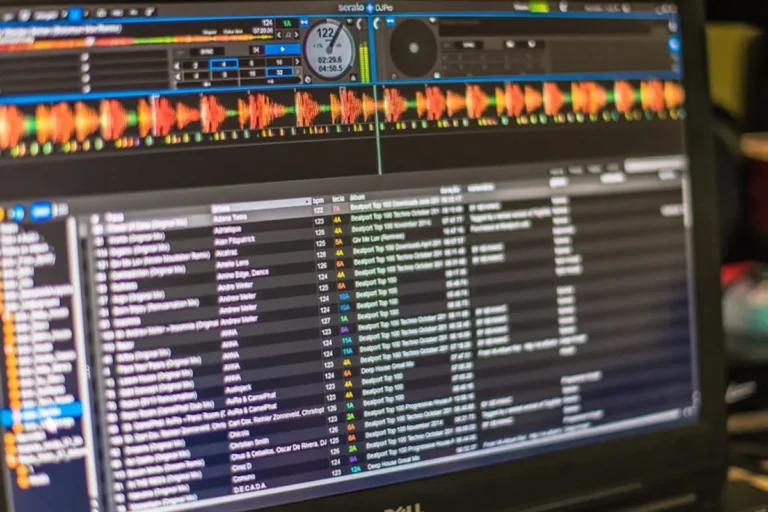
11. Gear, Production & Studio Insights
This niche focuses on the technical aspects of music creation, including the instruments, software, recording techniques, and studio setups used by artists. It appeals to musician-fans, aspiring producers, and audiophiles who are interested in the craft behind the sound. Content can feature interviews with producers, breakdowns of specific gear used on albums, tutorials inspired by artist techniques, or discussions about sound engineering. This topic caters to a highly engaged, often more technical segment of the fan base.
Best for: Attracting a technically-minded, often affluent audience, providing educational content, and leveraging affiliate opportunities with music equipment retailers. Ideal for sites that can offer expert-level insights.
Pros:
- Attracts a highly engaged and often affluent niche audience.
- Provides opportunities for educational and tutorial-based content.
- Strong potential for affiliate marketing with music gear brands.
- Content can be evergreen, as fundamental techniques remain relevant.
Cons:
- Requires deep technical knowledge and expertise.
- Audience size may be smaller compared to broader news topics.
- Content can be complex and may not appeal to all fans.
Verdict: A valuable niche for capturing a dedicated, technically-savvy fan segment. Offers strong commercial potential through affiliate partnerships and builds significant authority within the music production community.
12. Industry News & Business Shifts
This category covers broader developments within the music industry that impact artists and fans, such as changes in streaming royalties, label mergers, new technology, or shifts in music consumption trends. While less directly about artists, these topics affect the ecosystem in which artists operate and fans consume music. Content can include analyses of market reports, discussions on the future of music, and interviews with industry executives. This appeals to fans who are also invested in the business side of music.
Best for: Positioning a publication as an authoritative voice, appealing to industry professionals and informed fans, and generating thought leadership content. Suitable for sites aiming for a more intellectual or business-oriented audience.
Pros:
- Positions the publication as a thought leader and authoritative source.
- Attracts a more informed and often professional audience.
- Provides evergreen content on the evolving landscape of music.
- Offers opportunities for in-depth analysis and expert commentary.
Cons:
- May be less immediately engaging for casual fans.
- Requires strong journalistic and analytical capabilities.
- Content can be complex and demand a higher level of reader comprehension.
Verdict: A strategic content area for building long-term authority and attracting a discerning audience. While not always viral, it fosters deep engagement with a highly influential segment of the music community.
Measuring Success and Choosing the Right Topics
To effectively leverage these music news topics, measure success through a blend of quantitative and qualitative metrics. Quantitatively, track organic search traffic to specific topic pages, paying attention to keyword rankings and click-through rates. Monitor engagement metrics like time on page, bounce rate, and social shares. Analyze comment volume and quality to gauge community interaction. For topics with commercial intent, track affiliate link clicks, conversions, or e-commerce sales directly attributed to the content. Qualitatively, pay attention to direct feedback from your community through comments, surveys, or social media mentions. Identify which topics spark the most passionate discussions and user-generated content. When choosing new topics, conduct thorough keyword research to identify emerging trends and evergreen search queries. Analyze competitor content to find underserved niches or unique angles. Regularly review your analytics to understand what resonates most with your specific audience, allowing you to refine your content strategy and allocate resources effectively. The goal is to create a symbiotic relationship where valuable content drives