Crafting an effective concert review extends beyond simply recounting a setlist. For publishers, marketers, and site owners, a well-executed review serves as valuable content that attracts organic search traffic, establishes authority within a niche, and engages a target audience interested in live music and cultural commentary. The objective is to translate a transient live experience into a lasting, searchable piece of content that resonates with readers, whether they attended the show, wished they had, or are considering future events by the same artist. This involves strategic planning, focused observation, and analytical writing to provide a perspective that is both informative and compelling.
Pre-Concert Research and Logistics
Before attending the event, thorough preparation lays the groundwork for a comprehensive review. Understanding the artist, venue, and potential audience expectations allows for a more informed and nuanced perspective.
Artist and Tour Context
Investigate the artist's recent work, previous tours, and any significant career developments. This context informs your understanding of the performance within their broader narrative. For instance, a tour supporting a new album warrants attention to how new material integrates with older hits. Note key themes, lyrical motifs, or recurring stage elements that might appear. Researching opening acts is also crucial; they are part of the overall experience and deserve consideration.
Venue Specifics and Audience Demographics
Familiarize yourself with the venue's layout, acoustics, and typical crowd. Is it a small, intimate club or a large arena? This impacts the atmosphere and how the artist interacts with the audience. Consider the demographic present: age range, energy levels, and general engagement. These observations contribute to the overall impression of the event's success and impact.
Logistical Planning for Observation
Secure tickets and confirm any media access arrangements well in advance. Plan your arrival to allow ample time for navigating the venue, securing a good vantage point, and observing the pre-show atmosphere. If permitted, prepare your note-taking tools—whether a small notebook and pen, a dedicated voice recorder, or a smartphone with a reliable note-taking app. Ensure devices are charged and ready. If photography or videography is allowed and relevant to your content strategy, confirm equipment restrictions and plan for optimal angles.
Key preparation steps:
- Research artist's discography, recent releases, and tour history.
- Understand the venue's characteristics and typical audience.
- Confirm ticket and access details.
- Prepare note-taking equipment and backup power.
- Plan arrival time to observe pre-show environment.
During the Performance: Focused Observation and Documentation
The live event is where the raw material for your review is gathered. Active observation and systematic note-taking are critical for capturing the sensory details and analytical points necessary for a strong review.
Capturing Sensory Details
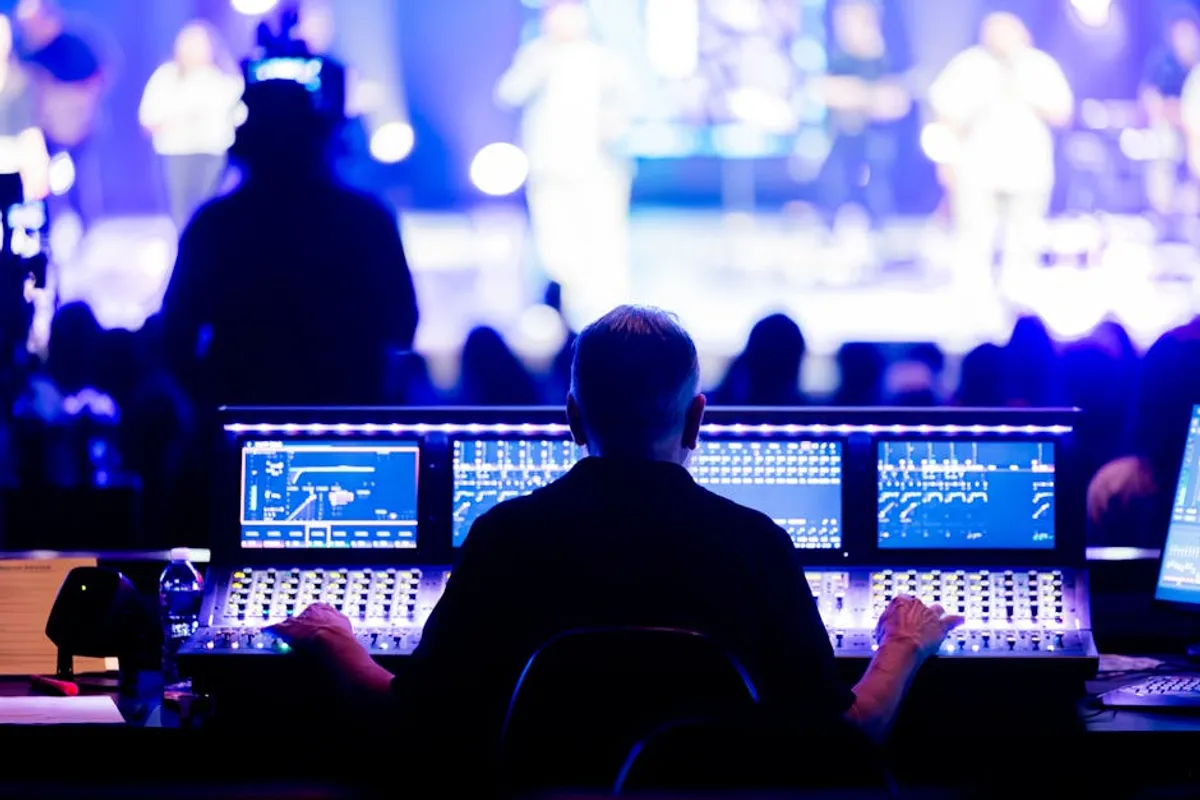
Beyond simply listing songs, focus on the immersive aspects of the concert. Note the quality and clarity of the sound, the lighting design and its impact on mood, and any visual projections or stage props. Describe the artist's stage presence, energy, and interactions with the audience. Pay attention to the crowd's reaction: their enthusiasm, singing along, or moments of quiet appreciation. These details transform a mere report into an engaging narrative.
Performance Analysis and Specific Moments
While taking notes, identify specific musical highlights or technical aspects. Did a particular guitar solo stand out? Was the vocal performance exceptionally strong or did it falter? Note any improvisations, unexpected song choices, or guest appearances. Document the setlist in order, but also capture specific anecdotes, such as an artist speaking about a song's meaning or a memorable moment of audience participation. These concrete examples provide evidence for your critical assessments.
Pro Tip: Avoid the temptation to record entire songs or spend the whole show looking through a screen. Your primary goal is observation and analysis. Brief audio snippets or photos can enhance a review, but continuous recording often detracts from experiencing the moment and taking effective notes. Focus on capturing specific, impactful details rather than broad, unedited footage.
Post-Concert: Structuring and Writing the Review
Once the concert concludes, the writing phase transforms your observations into a coherent, engaging, and commercially viable piece of content.
Crafting an Engaging Introduction
Begin with a hook that immediately draws the reader in. This could be a vivid description of the opening moments, an overarching impression of the night, or a statement about the artist's current standing. Clearly state the artist, venue, and date. The introduction should set the tone for the review and establish its central thesis or main takeaway.
Developing the Body Paragraphs
Structure the body of your review thematically or chronologically. A chronological approach often works well, moving from the opening act through the main performance, highlighting key moments and transitions. Alternatively, you might group observations by performance aspects: vocals, instrumentation, stagecraft, and audience engagement. Each paragraph should focus on a specific point, supported by the concrete details and anecdotes you collected during the show. Avoid simply listing songs; instead, discuss *why* certain songs or performances were significant.
Analytical Depth and Critical Assessment
A strong review offers more than just description; it provides analysis. Evaluate the performance's strengths and weaknesses, offering reasoned opinions rather than just subjective preferences. How did the artist connect with the material? Was the energy consistent? Did the show fulfill its potential or fall short? Support your critical points with specific examples from your notes. Maintain a balanced perspective, acknowledging both successes and areas for improvement.
Concluding with Impact
The conclusion should summarize your overall impression of the concert and reiterate your main thesis without introducing new information. Offer a final thought on the artist's performance, their current trajectory, or the lasting impact of the event. A strong conclusion leaves the reader with a clear, definitive takeaway.
Enhancing and Optimizing Your Concert Review
Beyond the core text, several elements can elevate your review's reach and impact.
Integrating Multimedia Elements
Where permissible and relevant, incorporate high-quality photographs or short video clips from the concert. Visuals break up text, provide additional context, and make the content more shareable. Ensure any multimedia is properly credited and optimized for web display (e.g., appropriate file sizes, alt text for images).
Search Engine Optimization (SEO) Considerations
Optimize your review for relevant search terms. This includes the artist's name, album titles, venue name, and tour name. Integrate these keywords naturally within the text, headings, and meta description. Consider long-tail keywords like " [Artist Name] concert review [City] [Year]". Internal links to related content on your site (e.g., artist discographies, venue guides, previous reviews) can improve user experience and SEO. Internal links to related content on your site, such as artist discographies or previous reviews, can improve user experience and SEO.
Actionable Review Development
Developing compelling concert reviews requires a blend of critical observation and strategic writing. By systematically preparing, actively documenting, and analytically structuring your content, you produce pieces that not only inform but also engage and resonate with a broad audience. Prioritize clarity, detail, and a unique perspective to ensure your reviews stand out and contribute meaningfully to your content portfolio.
Frequently Asked Questions
What makes a concert review engaging for readers?
An engaging concert review goes beyond a simple setlist recap by incorporating vivid sensory details, specific performance anecdotes, and analytical insights into the artist's stage presence, musicality, and audience interaction. It tells a story of the event, rather than just reporting facts.
How long should a concert review typically be?
While there's no strict rule, most effective concert reviews range from 500 to 1,200 words. This length allows for sufficient detail and analysis without overwhelming the reader. The ideal length often depends on the complexity of the performance and the depth of analysis required.
Should I include photos or videos in my concert review?
Yes, if permitted and relevant. High-quality photos or short video clips can significantly enhance a review by providing visual context and breaking up text. Ensure any multimedia is properly credited, optimized for web use, and directly supports the narrative of your review.
How can I avoid sounding generic in my concert reviews?
To avoid generic reviews, focus on specific, unique moments from the performance rather than broad generalizations. Develop a distinct voice, offer well-reasoned critical analysis supported by evidence, and connect the concert to the artist's broader career or cultural context. Your unique perspective is what differentiates your content.