Attending a live concert offers a unique experience, from the anticipation of securing tickets to the energy of the performance itself. However, navigating the various stages—from initial purchase to the final encore—requires preparation. This guide provides a structured approach to planning your concert outing, covering critical aspects like ticket acquisition, understanding venue specifics, and setting realistic expectations for the event day. The goal is to equip you with the information needed to make informed decisions, avoid common pitfalls, and fully immerse yourself in the live music experience.
Securing Your Concert Tickets
The process of buying concert tickets has evolved, offering multiple channels but also introducing complexities like dynamic pricing and a robust secondary market. Understanding these elements is crucial for both securing desired seats and managing your budget.
Official Vendors and Presales
Primary ticket vendors, such as Ticketmaster, Live Nation, and AXS, are the initial point of sale for most major concerts. These platforms offer tickets at face value, though service fees are standard. Accessing presales often requires fan club memberships, specific credit card affiliations, or unique codes distributed by the artist or promoter. Presales provide an earlier opportunity to purchase tickets, frequently offering better seat selection before the general public sale. Signing up for artist newsletters or following venue social media accounts can provide timely presale code access.
Consider: The timing of presales is critical; they typically run for a limited window, and popular shows can sell out quickly even before the general on-sale.
Navigating the Secondary Market
When primary tickets sell out or you need specific seats unavailable through official channels, the secondary market becomes relevant. Platforms like StubHub, SeatGeek, and Vivid Seats facilitate resales. Prices on these sites are determined by supply and demand, meaning they can be significantly higher or, occasionally, lower than face value depending on the event's popularity and proximity to the show date. These platforms offer buyer protections, including guarantees against fraudulent tickets and policies for event cancellations.
Warning: Always verify the legitimacy of secondary market sellers. While major platforms offer safeguards, direct peer-to-peer sales carry higher risks of fraud. Check for transparent pricing, including all fees, before committing to a purchase.
Understanding Ticket Types and Pricing
Concert tickets come in various forms, each affecting your experience and cost:
- General Admission (GA): Standing-room-only tickets, typically in front of the stage. These offer proximity but require early arrival to secure a good spot.
- Reserved Seating: Specific seat assignments, common in arenas and theaters. Prices vary based on proximity to the stage and sightlines.
- VIP Packages: Often include premium seating, early entry, merchandise, and sometimes meet-and-greet opportunities. These are significantly more expensive but offer exclusive benefits.
- Dynamic Pricing: A system where ticket prices fluctuate in real-time based on demand, similar to airline tickets. This can lead to higher prices for popular events as demand increases.
Pro Tip: Before purchasing, research the artist's typical stage setup and common fan behavior for their shows. Some artists actively encourage audience participation in GA areas, while others are better enjoyed from a seated perspective.
Venue Specifics and Preparation
The concert venue plays a significant role in your overall experience. Researching its policies and layout beforehand can prevent frustrations on the day of the show.
Researching Venue Policies and Layout
Every venue has unique rules regarding entry, allowed items, and amenities. Before attending, visit the venue's official website to check:
- Bag Policy: Many venues restrict bag sizes or prohibit certain types of bags (e.g., large backpacks). Clear bags are often preferred or required.
- Prohibited Items: Common restrictions include outside food/drink, professional cameras, recording devices, and weapons.
- Accessibility: Information on accessible seating, entrances, and restrooms for attendees with disabilities.
- Parking and Transportation: Details on on-site parking availability, public transport options, and rideshare drop-off/pickup zones.
- Food and Beverage: Policies on bringing outside food and drink, and available concessions inside.
- Re-entry: Whether you can leave and re-enter the venue during the event.
Familiarize yourself with the seating chart if you have reserved seats. Understanding the stage view from your section can manage expectations and avoid disappointment.
Arrival and Entry Logistics
Planning your arrival time is crucial. For GA shows, arriving early is often necessary to secure a preferred spot near the stage. For reserved seating, arriving 30-60 minutes before the opening act allows time to navigate security, find your seats, and purchase concessions without rushing. Expect security checks, which may include metal detectors or bag searches. Have your digital or printed ticket ready for scanning upon entry.
What to Expect on Concert Day
The day of the concert is about enjoying the culmination of your planning. A few final preparations and an understanding of concert etiquette can enhance the experience.
Pre-Show Preparation
Dress comfortably, considering the venue's environment (e.g., standing for hours, potential for heat in crowded areas). Wear appropriate footwear. Bring essential items: your ticket (digital or printed), a valid ID, a payment method (many venues are cashless), and a fully charged phone. Consider a portable charger if you anticipate heavy phone use for photos or videos.
During the Performance
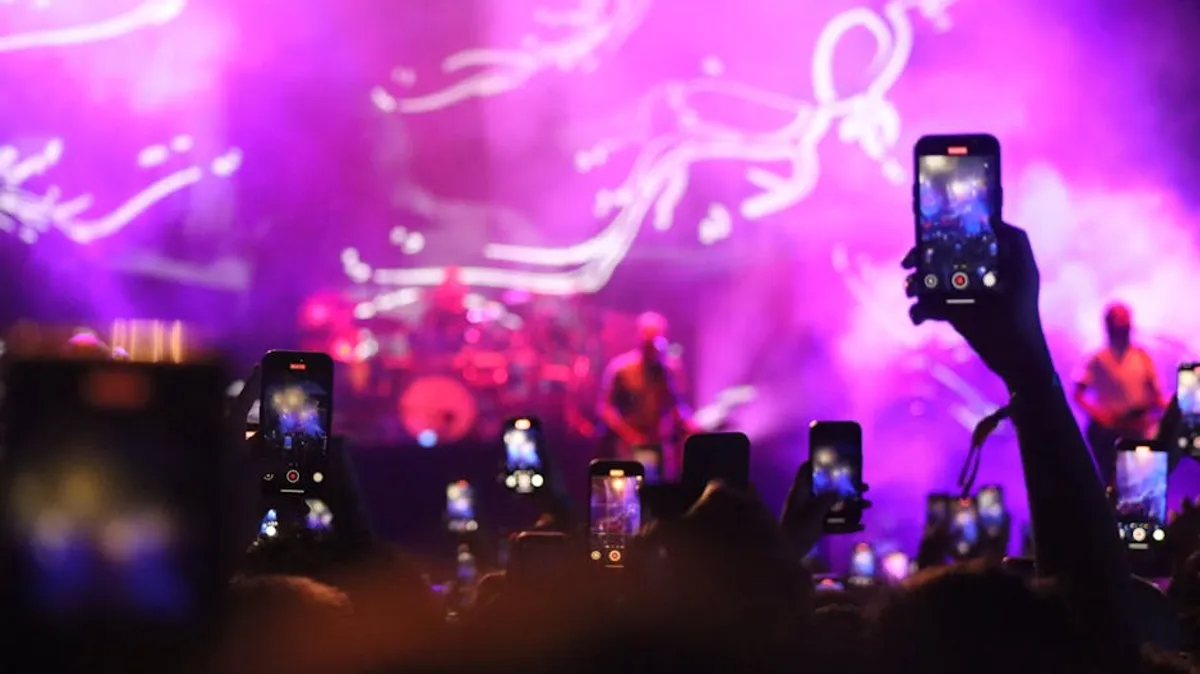
Concert etiquette generally involves being mindful of those around you. Avoid excessive talking during performances, respect personal space, and be aware of your phone usage. Flashing bright screens can be distracting to others. If you plan to record, do so briefly and discreetly. Stay hydrated, especially in crowded, high-energy environments. Locate emergency exits upon arrival. If you experience any issues, venue staff are typically available to assist.
Maximizing Your Live Music Experience
A well-planned concert outing reduces stress and allows for greater enjoyment. By diligently researching ticket options, understanding venue specifics, and preparing for the event day, you can ensure a smooth and memorable experience. Focus on the music, the atmosphere, and the shared energy of the crowd. These preparations are not just about logistics; they are about enhancing your connection to the live performance.
Frequently Asked Questions About Concerts
What is the best time to buy concert tickets?
For popular artists, buying during the presale or general on-sale offers the best chance at face-value prices and preferred seating. For less in-demand shows, last-minute purchases on the secondary market can sometimes yield lower prices if sellers are trying to offload tickets.
Can I bring a camera to a concert?
Most venues prohibit professional cameras with detachable lenses. Small point-and-shoot cameras or phone cameras are generally allowed, but policies vary. Always check the specific venue's website for their camera policy before attending.
What if my concert is canceled or postponed?
If a concert is canceled, primary ticket vendors typically issue full refunds. For postponed events, original tickets are usually honored for the new date. If you purchased from a secondary market, check their specific refund or exchange policies, which often mirror the primary vendor's actions.
Is it safe to go to a concert alone?
Many people attend concerts alone and have a great experience. Venues prioritize safety, with security personnel present. It's advisable to stay aware of your surroundings, limit alcohol consumption, and inform someone of your plans. Stick to well-lit areas and trust your instincts.