
Developing band merchandise that resonates with fans requires more than slapping a logo on a shirt. It demands an understanding of fan culture, a strategic approach to product selection, and a commitment to quality that reflects the band's identity. The goal is to create items that fans genuinely want to own, wear, and display, fostering a deeper connection while generating revenue. This isn't just about selling; it's about extending the band's narrative and aesthetic into tangible forms that fans can integrate into their daily lives.
The best merchandise acts as a wearable badge of allegiance, a collectible memento, or a practical item that subtly promotes the band. It aligns with the band's genre, lyrical themes, and visual style. For emerging artists, well-chosen merchandise can be a critical revenue stream and a grassroots marketing tool. For established acts, it reinforces brand loyalty and offers exclusive fan experiences. The selection process should consider production costs, profit margins, perceived value, and the logistical challenges of storage and distribution. Prioritizing items that offer both utility and a strong visual identity will yield the most impactful results.
What to Look For in Band Merchandise
When curating a merchandise line, several factors dictate its potential for success. First, consider the target demographic: what are their spending habits, lifestyle, and preferences? A punk band's audience might gravitate towards patches and DIY-friendly items, while a progressive rock band's fans might prefer high-quality vinyl and art prints. Second, design cohesion is paramount; every item should feel like an authentic extension of the band's brand, using consistent logos, typography, and imagery. Third, production quality directly impacts perceived value and durability. Cheaply made items reflect poorly on the band, regardless of design. Fourth, assess the practicality and utility of each item. A useful item, like a tote bag or a mug, gets daily exposure. Finally, evaluate the profit margins and initial investment required. Some items, like stickers, have low cost and high markup potential, while others, like custom jackets, demand significant upfront capital but can command premium prices.
1. T-Shirts
T-shirts remain the cornerstone of band merchandise for their broad appeal and wearability. They serve as mobile billboards, allowing fans to publicly display their allegiance. Success hinges on compelling designs that go beyond a simple logo, incorporating album art, lyrical snippets, or unique illustrations that capture the band's essence. Offering a range of sizes and fits, including unisex, women's, and youth options, maximizes market reach. Fabric quality, print durability, and comfort are critical factors influencing repeat purchases and fan satisfaction. Organic cotton or blended fabrics can differentiate offerings and appeal to environmentally conscious fans.
Best for: Broad appeal, everyday wear, primary revenue driver for all band types.
Pros: High visibility, relatively low production cost per unit at scale, versatile design canvas, strong fan demand.
Cons: Intense competition in design, inventory management complexities due to sizing and style variations, potential for unsold stock if designs don't resonate.
Verdict: An essential merchandise item, but requires thoughtful design and quality execution to stand out in a saturated market. Prioritize unique artwork over generic branding.
2. Hoodies and Sweatshirts
Hoodies and sweatshirts offer a higher price point and perceived value than t-shirts, making them significant contributors to merchandise revenue, especially in cooler climates or seasons. Their larger surface area allows for more intricate designs, including full-back prints, sleeve graphics, and embroidered logos. The emphasis here is on comfort, warmth, and durability. Heavyweight cotton blends or fleece linings are often preferred. Offering zip-up and pullover styles caters to different preferences, while subtle branding can appeal to fans who prefer a less overt display of their fandom.
Best for: Higher-value purchases, seasonal sales, cooler climates, fans seeking comfort and warmth.
Pros: Higher profit margins, strong fan loyalty indicator, premium feel, extended wear life.
Cons: Higher production costs, larger storage requirements, sizing accuracy is crucial, potential for slower sales velocity than t-shirts.
Verdict: A premium offering that complements t-shirts, effective for capturing additional revenue from dedicated fans. Focus on quality materials and detailed designs.
3. Vinyl Records and CDs
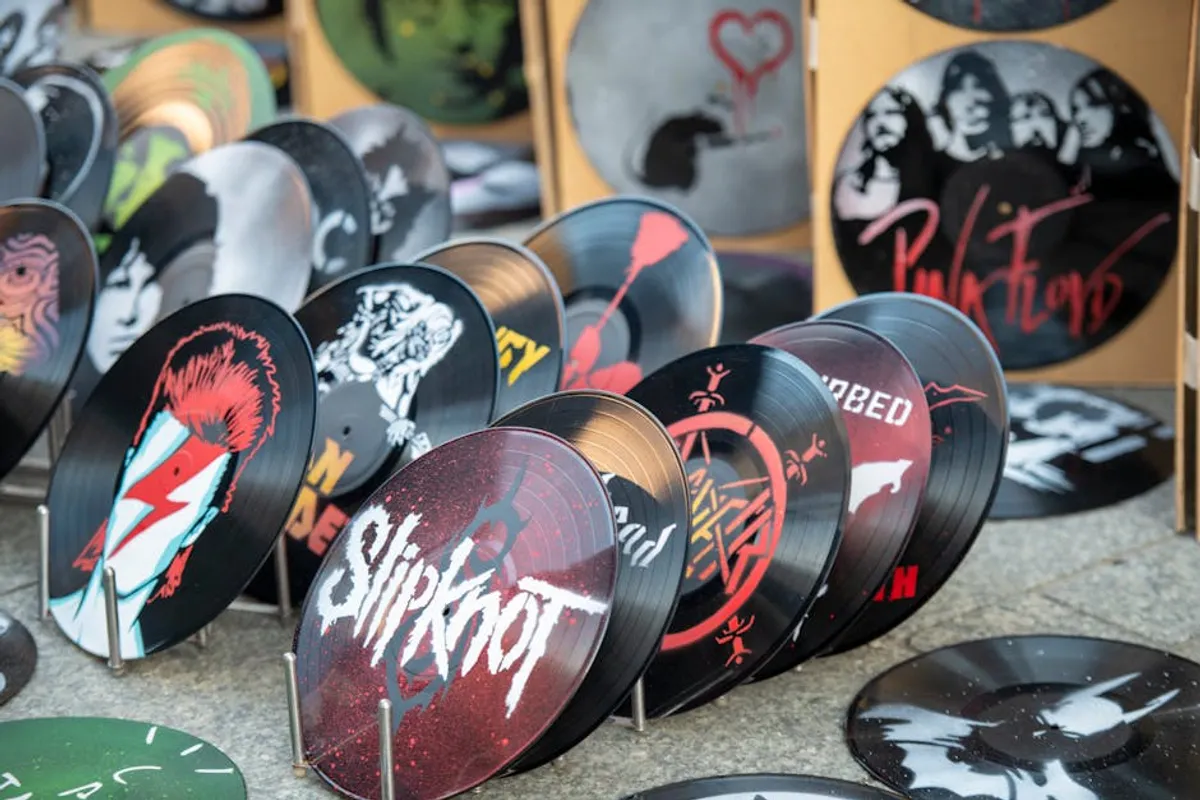
Physical music formats, particularly vinyl, have experienced a resurgence as collectible items. They offer a tangible connection to the music that digital files cannot replicate. Vinyl records provide a large canvas for artwork, often including liner notes, lyrics, and exclusive content. Limited edition pressings, colored vinyl, or signed copies can drive demand and command higher prices. CDs remain a viable, more affordable option for fans who prefer physical media but might not invest in vinyl. Both formats serve as direct support for the band's artistic output.
Best for: Dedicated collectors, audiophiles, fans who value physical media, bands with strong visual album art.
Pros: High perceived value, collectible, direct support for the music, large format for artwork, creates a unique fan experience.
Cons: High production costs and lead times, fragile for shipping, requires careful handling, storage space, declining mainstream demand for CDs.
Verdict: Essential for bands with a strong artistic identity and a fan base that values physical collections. Leverage limited editions and exclusive content to maximize appeal.
4. Posters and Art Prints
Posters and art prints provide an affordable way for fans to decorate their spaces with band imagery. These items can range from tour posters with specific dates to high-quality art prints of album covers or original illustrations. Signed prints or limited runs can significantly increase their value and desirability. The key is high-resolution artwork and quality paper stock that conveys a premium feel. Offering various sizes allows for different price points and display options, catering to diverse fan budgets and preferences.
Best for: Affordable fan engagement, visual artists within the band, tour-specific memorabilia, home decor.
Pros: Low production cost, easy to ship, high-profit margin, versatile for various art styles, collectible, especially when signed or limited.
Cons: Can be easily damaged in transit, perceived as less substantial than apparel, requires careful packaging, limited utility beyond display.
Verdict: An accessible and effective item for visual branding and fan engagement. Focus on high-quality printing and unique, compelling artwork.
5. Stickers and Pins
Stickers and pins are low-cost, high-impact merchandise items, perfect for impulse buys or as add-ons to larger purchases. They allow fans to personalize their belongings—laptops, instrument cases, jackets, backpacks—with band branding. Stickers can feature logos, album art, or quirky designs. Pins, whether enamel or button style, offer a more durable and collectible option. Their small size makes them easy to transport and display, and their affordability encourages multiple purchases. They are excellent for new fans or those on a budget.
Best for: Impulse buys, low-cost entry merchandise, personalization, fan community building.
Pros: Very low production cost, high-profit margin, easy to ship, versatile for diverse designs, encourages repeat purchases, broad appeal.
Cons: Low individual revenue contribution, perceived as less substantial, stickers can wear off over time, pins can be lost.
Verdict: Indispensable for their accessibility and ability to spread brand awareness. Offer a variety of designs to encourage collection.
6. Hats and Beanies
Headwear, including baseball caps, snapbacks, and beanies, offers another highly visible and practical merchandise option. They are particularly popular in specific subcultures or during certain seasons. Branding can be subtle, such as an embroidered logo, or more prominent with full-front designs. Quality of material, stitching, and fit are crucial for comfort and durability. Offering adjustable options for caps increases their wearability across different head sizes. Beanies provide warmth and a different aesthetic, often appealing to winter sports enthusiasts or those in colder climates.
Best for: Wearable branding, seasonal sales, specific subcultures, fans who prefer headwear.
Pros: High visibility, practical utility, unisex appeal, variety of styles and branding options, good profit margin.
Cons: Sizing can be an issue for caps (though adjustable helps), higher production cost than t-shirts, styles can become dated quickly, inventory management for different styles.
Verdict: A solid option for expanding wearable merchandise. Prioritize quality construction and versatile designs that appeal to a broad audience.
7. Coffee Mugs and Water Bottles
Utility-based items like coffee mugs and water bottles integrate the band's brand into fans' daily routines. A mug used for morning coffee or a water bottle carried to the gym provides consistent, subtle exposure. Designs should be durable (e.g., dishwasher-safe prints) and appealing, often featuring logos, album art, or memorable lyrics. Insulated water bottles offer a higher perceived value and functionality. These items cater to a desire for practical goods that also express personal interests.
Best for: Daily utility, office settings, eco-conscious fans (water bottles), home use, gift options.
Pros: High utility, consistent brand exposure, good profit margins, durable, caters to a desire for practical items.
Cons: Fragile for shipping (mugs), higher shipping costs due to weight, requires careful packaging, designs must be highly durable to withstand washing.
Verdict: Effective for integrating the band into daily life. Focus on durable printing and practical designs that fans will use regularly.
8. Tote Bags
Tote bags are practical, eco-friendly, and offer a large canvas for bold designs. They appeal to fans looking for reusable shopping bags, everyday carriers, or concert bags. The utility of a tote bag ensures frequent use, providing ongoing brand exposure. Quality of the fabric (e.g., heavy canvas) and stitching is important for durability. Offering a design that is both stylish and clearly branded makes it a desirable item. They are also relatively easy to store and ship compared to apparel.
Best for: Practical utility, eco-conscious fans, everyday use, concertgoers, and those needing a versatile carry-all.
Pros: High utility, eco-friendly appeal, large design area, good profit margin, relatively easy to store and ship, broad demographic appeal.
Cons: Can be seen as less "exciting" than other items, quality varies widely, designs need to be robust to withstand wear and tear.
Verdict: A practical and sustainable choice for merchandise. Emphasize durable materials and eye-catching designs that align with the band's aesthetic.
9. Custom Guitar Picks
For bands with a musician-heavy fan base or those in guitar-driven genres, custom guitar picks are a unique and highly relevant merchandise item. They are small, inexpensive to produce, and offer a direct connection to the band's craft. Fans might collect them, use them, or keep them as mementos. Offering picks with different gauges or materials can cater to various playing styles. They are excellent for impulse buys at shows or as part of a larger merchandise bundle. Signed picks can become valuable collectibles.
Best for: Musicians, guitar-focused genres, impulse buys, unique collectible items.
Pros: Very low production cost, high-profit margin, unique niche appeal, easy to ship, collectible, direct connection to the music craft.
Cons: Limited appeal beyond musicians or collectors, low individual revenue contribution, can be easily lost.
Verdict: A highly specialized but effective item for engaging a specific segment of the fan base. Ideal for adding a unique, low-cost collectible to the merchandise mix.
10. Keychains
Keychains are another low-cost, high-utility item that provides daily brand exposure. They can feature band logos, album art, or iconic symbols. Various materials and styles are available, from metal and enamel to soft PVC. Their small size makes them perfect for impulse purchases, add-ons, or as part of a limited-edition bundle. Durability is key, as keychains are subject to daily wear and tear. A well-designed keychain can be a subtle but constant reminder of the band.
Best for: Impulse buys, low-cost entry merchandise, daily utility, small gift items.
Pros: Very low production cost, high-profit margin, easy to ship, constant brand exposure, versatile design options, broad appeal.
Cons: Low individual revenue contribution, can be lost or broken, perceived as a minor item.
Verdict: A simple yet effective item for continuous brand presence. Focus on durable materials and iconic designs for longevity.
11. Patches
Patches cater to a DIY aesthetic, particularly popular in punk, metal, and alternative scenes. Fans use them to customize clothing, bags, and jackets, creating a personalized expression of their fandom. They are low-cost to produce and offer a high-profit margin. Embroidered patches provide a premium feel, while woven patches allow for finer detail. Offering a variety of designs—logos, album art, specific motifs—encourages fans to collect and create their own battle jackets or vests. This item fosters a strong sense of community and individual expression.
Best for: DIY culture, punk/metal/alternative genres, customization, low-cost collectible.
Pros: Low production cost, high-profit margin, strong community appeal, encourages personalization, easy to ship, durable.
Cons: Niche appeal, requires fans to apply them, may not appeal to all demographics.
Verdict: Highly effective for engaging specific subcultures and fostering a sense of belonging. Offer diverse designs that resonate with the band's aesthetic.
12. Limited Edition Box Sets
Limited edition box sets represent the pinnacle of band merchandise, offering a high-value, exclusive experience for the most dedicated fans. These sets typically include a combination of physical music (vinyl, CD), exclusive apparel, art prints, books, memorabilia, and unique collectibles. The appeal lies in their scarcity, comprehensive content, and premium packaging. They command significantly higher prices and generate substantial revenue per unit. Careful curation of contents and high-quality production are essential to justify the price point and deliver on fan expectations.
Best for: Superfans, collectors, major album releases, anniversaries, high-end gift options.
Pros: High revenue per unit, strong fan loyalty, creates a premium brand image, highly collectible, generates buzz and excitement.
Cons: Very high production cost and complexity, significant upfront investment, requires careful planning and execution, limited appeal to a broad audience.
Verdict: A powerful tool for maximizing revenue and rewarding top-tier fans. Execute with exceptional quality and unique content to justify the premium price.
Maximizing Merchandise Impact
Choosing the right merchandise is only the first step. To maximize impact, bands must consider several operational aspects. First, understand your fan demographics through sales data and direct engagement; this informs future product decisions. Second, leverage limited editions and exclusive drops to create urgency and drive demand. Announce these strategically to build anticipation. Third, ensure high-quality product photography and clear descriptions for online sales. Fourth, optimize shipping and fulfillment processes to provide a smooth customer experience. Consider partnering with a reputable merchandise company that handles production, storage, and shipping. Finally, integrate merchandise sales with your overall marketing strategy, promoting items across social media, email newsletters, and at live events. Offer bundles or discounts to encourage larger purchases.
Frequently Asked Questions About Band Merchandise
How do I price my band merchandise effectively?
Pricing should cover production costs, shipping, and a reasonable profit margin, while also considering perceived fan value and competitor pricing. Start with a cost-plus model, then adjust based on market research and fan feedback. Apparel typically has a 2-3x markup, while collectibles can go higher.
What are the best practices for merchandise design?
Designs should be unique, align with the band's aesthetic, and be optimized for the specific product (e.g., a simple logo for a pin, intricate art for a poster). Work with professional designers who understand print requirements and fan culture. Avoid overly complex designs on small items.
Should I use print-on-demand or bulk production?
Print-on-demand (POD) reduces upfront costs and inventory risk, making it ideal for new bands or niche items. Bulk production offers lower per-unit costs and higher profit margins but requires a significant upfront investment and storage. A hybrid approach, using POD for less popular items and bulk for bestsellers, can be effective.
How do I manage inventory and fulfillment?
For smaller operations, manual fulfillment might suffice. As sales grow, consider using a third-party logistics (3PL) provider or a specialized merchandise company. Accurate inventory tracking is crucial to avoid overselling or stockouts. Regular audits help maintain accuracy.
What legal considerations are there for band merchandise?
Ensure all designs, logos, and artwork are original or that you have the necessary licenses for any third-party intellectual property. Trademarking your band name and logo is advisable to prevent unauthorized use. Consult with legal counsel on intellectual property rights.