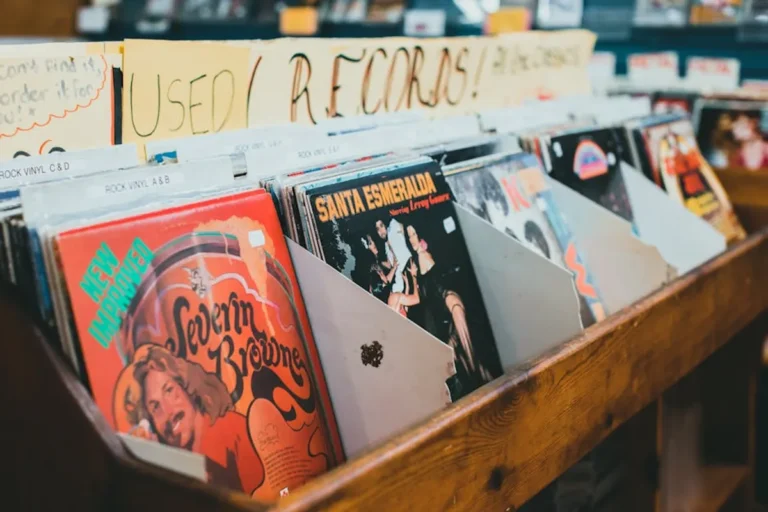

Six albums that anyone serious about Latin American punk and rock should own. Not necessarily the "best" by some objective standard, but the ones that constitute the essential foundational listening.
1. Attaque 77 — "Antihumano" (1998)
What it is: Argentine punk band's sixth album, widely considered their artistic peak.
Why it matters: Combines the melodic punk influences of US bands with distinctly Argentine cultural concerns. The songwriting is among the strongest in their catalog.
Standout tracks: "Hacelo Por Mí," "Donde Las Águilas Se Atreven," "Antihumano."
Listen on: Spotify, Apple Music, YouTube. Vinyl reissues exist.
2. Los Fabulosos Cadillacs — "Vasos Vacíos" (1993)
What it is: Argentine ska-punk-rock band's breakthrough album. Includes their most internationally famous songs.
Why it matters: The album that brought Latin alternative rock to international attention. The horn arrangements and energy are genuinely distinctive.
Standout tracks: "Mal Bicho," "Manuel Santillán, El León," "Matador."
Listen on: All major streaming platforms.
3. Café Tacvba — "Re" (1994)
What it is: Mexican rock band's second album. A genre-defying masterpiece.
Why it matters: Considered one of the greatest Spanish-language rock albums ever made. Integrates Mexican folk, electronic, punk, and rock in ways that nobody had attempted before.
Standout tracks: "El Borrego," "Las Flores," "El Aparato."
Listen on: All major streaming platforms.
4. Sumo — "After Chabón" (1987)
What it is: Argentine rock band's final album, released the year of frontman Luca Prodan's death.
Why it matters: The mythology around Prodan and the album's posthumous reception have made it foundational for subsequent Argentine alternative music. The English-Italian-Spanish multilingual approach is distinctive.
Standout tracks: "Crua-Chan," "Mañana en el Abasto," "Los Viejos Vinagres."
Listen on: Streaming platforms have it. Original vinyl is collectors' territory.
5. Los Prisioneros — "Pateando Piedras" (1986)
What it is: Chilean band's second album. Politically charged during the Pinochet era.
Why it matters: Captured Chilean youth politics during a dangerous period. The lyrics work both as political statement and as personal expression.
Standout tracks: "El Baile de los que Sobran," "Independencia Cultural," "Por Qué No Se Van?"
Listen on: Major streaming platforms.
6. Maldita Vecindad — "El Circo" (1991)
What it is: Mexican band's second album. Combines rock, ska, punk, and Mexican Latin influences.
Why it matters: Defined a particular Mexico City rock sound that influenced subsequent Mexican music substantially. The integration of Mexican street culture with rock is genuinely distinctive.
Standout tracks: "Pachuco," "Solín," "Mojado."
Listen on: Major streaming platforms.
What these albums share
Several characteristics across these six essential albums:
- All released in their bands' artistic peak periods (mostly 1986-1998)
- All represent integration of international rock/punk influences with specifically Latin American cultural content
- All have sustained cultural significance decades after release
- All reward repeated listening — they are not exhausted on first hearing
This is what makes them foundational. The combination of artistic quality and cultural significance puts them in a tier that the broader catalog of these scenes does not reach in most cases.
Albums I almost included
Some honorable mentions that did not quite make the foundational six:
- Café Tacvba — "Cuatro Caminos" (2003): Excellent later work, but "Re" is more foundational.
- Soda Stereo — "Doble Vida" (1988): Important Argentine new wave, but less specifically punk.
- Los Fabulosos Cadillacs — "Rey Azúcar" (1995): Production peak but less essential than "Vasos Vacíos."
- La Polla Records — "Salve" (1984): Foundational Spanish punk but less universally recognized.
- Heroes del Silencio — "Senderos de Traición" (1990): Spanish rock peak but more arena rock than punk.
How to engage with the music
For listeners new to Latin American rock and punk:
- Start with one album from this list that interests you
- Listen to it multiple times — these albums reward repetition
- If it connects, explore that band's catalog more
- Then move to the next album on the list
- Resist the urge to skim through everything; depth produces better understanding
The case for vinyl
For fans willing to invest, several of these albums are available on vinyl reissues. The physical format provides better engagement with the music as artistic statement. Streaming is convenient but does not produce the same kind of attention to album-as-whole that vinyl encourages.
This is not audiophile pretension. It is just observation that the format affects engagement with the music substantially.
The takeaway
These six albums constitute the essential foundational listening for Latin American rock and punk. Together they provide a substantive introduction to one of the major rock traditions outside the English-language mainstream.
Acquire them digitally or physically. Listen to each substantially. The music rewards attention. The cultural significance extends beyond the music itself.
For anyone serious about understanding modern rock as a global phenomenon, this catalog cannot be skipped.